With a heart full of gratitude, I want to say a warm thank you to all the wonderful Dog Moms who have supported my work with a voluntary PayPal donation. Whether it is a small contribution or just the price of a virtual coffee, your kindness truly keeps this website alive and running. Thank you from the bottom of my heart for your beautiful souls and for standing by me! ❤️❤️🙏
There is a bittersweet beauty to the twilight years of a dog’s life. As a devoted Dog Mom, you have spent years watching them grow, run, play, and love you with a pureness that is rare in this world. But there comes a time when the zoomies turn into gentle strolls, the muddy paws become a little less frequent, and those vibrant, sparkling eyes start to show the wisdom of a long, shared journey. Watching your sweet baby grow older is perhaps the most profound journey you will ever take together. It is a time that demands a different kind of love—a love that is slower, more observant, and deeply, tenderly patient.
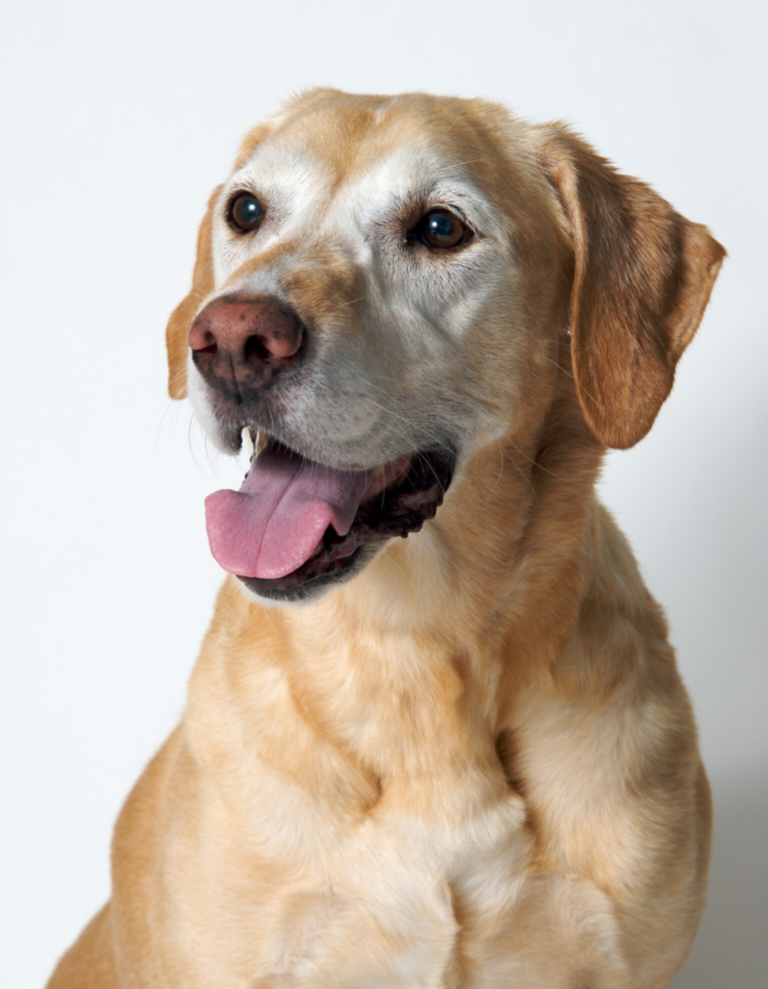
You might be reading this because you have noticed the subtle shifts in their daily routine: the way they hesitate before jumping onto the couch, the longer naps, or perhaps that slight, unmistakable graying around their gentle muzzle. It can be overwhelming to see your once-agile companion begin to slow down. The questions can feel endless: How can I keep them comfortable? Am I doing enough to ease their aches? How do I know if they are happy?
This comprehensive guide is written for you—the woman who would do absolutely anything to make their golden years as comfortable and joy-filled as their puppyhood. We are moving past the guesswork. In the following chapters, we will explore 10 essential, actionable ways to improve your senior dog’s quality of life. From creating the perfect, supportive environment to understanding the subtle, non-verbal language of their aging bodies, this is your toolkit for being the best guardian they could ever ask for.
Aging is not a disease; it is a life stage that deserves to be honored with grace, dignity, and a wealth of practical care. By making small, thoughtful adjustments to your home and your routine, you can significantly ease their transition into these senior years, helping them feel secure, cherished, and deeply loved. Let us walk this path together, ensuring that every single day of your journey remains a testament to the beautiful bond that defines you and your precious pup.

1. DESIGNING THE PERFECT SENIOR-FRIENDLY SANCTUARY: THE FOUNDATION OF COMFORT
When your dog enters their senior years, the home that once felt like a giant playground can suddenly become a challenging obstacle course. Think about it: hardwood floors that were once great for zoomies are now slippery surfaces that threaten their stability, and that tall, plush bed might look comfy, but the jump to get up there is becoming a real struggle for their stiff joints. The first and most essential step in improving your senior dog’s quality of life is to intentionally design their environment with their changing physical needs in mind.
Think of this as creating a “Senior Sanctuary.” The goal is to minimize physical strain so your dog can spend their energy on loving you, rather than navigating a difficult home environment.
A simple, yet game-changing tip is to invest in traction. If your home has tile or hardwood, place non-slip area rugs or yoga mats in high-traffic areas, especially around their food bowls and the main pathways to the backyard. Veterinary orthopedic specialists often emphasize that repetitive slipping on smooth surfaces can exacerbate arthritis and cause micro-injuries in older joints. By giving them “grip,” you are instantly reducing the physical stress on their hips and shoulders.
Next, let’s talk about their sleeping situation. Your senior pup needs orthopedic support that cushions their pressure points. Look for beds made with high-density memory foam that provide proper alignment for the spine. If your dog loves sleeping in your bedroom, make sure their bed is accessible without them needing to navigate stairs. If you have a multi-story home, it is a truly compassionate act to set up a dedicated “senior station” on the main floor, ensuring they always have a soft, supportive place to rest without having to climb.
Finally, consider the height of their necessities. As a dog ages, they may experience decreased flexibility in their neck and back. Raising their water and food bowls by a few inches using a sturdy, non-tip elevated feeder can make a world of difference. It allows them to eat and drink in a more neutral, comfortable position, which can significantly reduce strain on their neck muscles during their daily meals. These small, thoughtful changes may seem minor to us, but for your aging companion, they are the difference between a day filled with quiet pain and a day filled with ease and comfort.

2. EMPOWERING MOBILITY: SIMPLE WAYS TO SUPPORT STRENGTH AND MOVEMENT
As your dog ages, you might notice that the spark in their eyes remains just as bright, but their legs aren’t quite as cooperative as they used to be. Supporting their mobility is not just about helping them get from point A to point B; it is about preserving their independence and their dignity. A dog that can still navigate the house with confidence feels more secure and mentally stimulated.
One of the most effective, yet often overlooked, ways to support mobility is through “active stability.” This means encouraging gentle, low-impact movement every single day. Instead of one long, exhausting walk that might leave them sore for days, try breaking their activity into three or four short, gentle strolls around the block. Veterinary physical therapists suggest that consistent, mild movement keeps joints lubricated and muscles engaged, which is crucial for preventing the muscle atrophy that often sets in during the senior years.
If your dog struggles with stairs, don’t wait for a fall to happen before you take action. Installing a simple baby gate to block access to treacherous staircases is a smart, preventive measure. For getting into the car or onto the sofa, consider a lightweight, portable ramp. Training a senior dog to use a ramp might take a little extra patience and a lot of yummy treats, but it is an investment in their long-term spinal health. It spares them from the jarring impact of jumping down, which is often a major trigger for flare-ups in arthritic dogs.
Furthermore, keep a close eye on their paws. In older dogs, overgrown nails can drastically change how they distribute their weight, making every step feel unnatural and potentially painful. Keeping those nails trimmed short ensures they maintain better traction and proper joint alignment. Think of it as a simple “shoe adjustment” for your pup—it makes a world of difference in their balance.
Finally, do not underestimate the power of gentle, therapeutic massage. Spend five minutes each evening softly stroking their shoulders, hips, and down their legs. This not only promotes circulation and warms up tight muscles, but it also provides a wonderful, calming bonding ritual that lets your dog know they are safe and cared for. By proactively managing their environment and movement, you are giving them the gift of freedom, allowing them to remain the active, happy member of your family that they have always been.

3. THE FUEL OF LONGEVITY: NUTRITION AND WEIGHT MANAGEMENT FOR SENIOR PUPS
As your sweet companion moves into their golden years, their metabolism naturally slows down, and their activity levels decrease. If you continue to feed them the exact same portion sizes as you did when they were a spunky two-year-old, you are inadvertently setting them up for weight gain. And here is the harsh truth that every vet will tell you: excess weight is the absolute enemy of the aging dog. Even just a few extra pounds put an enormous, unnecessary strain on their already aching joints, heart, and lungs.
Managing your senior dog’s weight is truly an act of profound love. Start by consulting with your veterinarian to establish their ideal “senior weight.” Once you have that number, be diligent about measuring their food. Forget the “scoop and hope” method; use a standard measuring cup or, even better, a digital kitchen scale for perfect accuracy. Those few extra kibbles you drop in the bowl throughout the day add up fast, and calories have a way of sneaking into our dogs’ diets faster than we realize.
When it comes to the quality of their food, look for formulas specifically designed for seniors. These diets are typically lower in calories but richer in essential nutrients, including high-quality proteins to maintain muscle mass, and added supplements like Glucosamine and Chondroitin. These are the gold standard in veterinary nutrition for supporting joint health and keeping cartilage as supple as possible. Think of these supplements as “oil” for their rusty hinges.
Beyond the main meals, let’s talk about the treats. We love giving our pups snacks—it’s how we express our affection! But instead of calorie-dense, processed treats, try swapping them for healthy, whole-food alternatives. Many senior dogs absolutely love thin slices of cucumber, green beans (the perfect low-calorie, crunchy snack!), or small pieces of cooked sweet potato. These are satisfying, hydrating, and won’t contribute to weight gain.
If you notice that your dog seems constantly hungry, it might be a sign of a metabolic shift or even a hidden medical issue like Cushing’s disease or thyroid imbalances. Don’t just increase their food portions; book an appointment with your vet for a check-up. Being proactive with their diet is one of the most effective ways to extend their healthy years. By keeping your baby at a healthy, lean weight, you are literally adding months—if not years—of comfortable, active life to their journey.

4. KEEPING THE MIND SHARP: COGNITIVE ENGAGEMENT FOR SENIOR DOGS
You have likely heard the phrase “use it or lose it,” and this is remarkably true when it comes to our dogs’ cognitive health. Just like humans, dogs can experience age-related cognitive decline, which may manifest as confusion, restlessness at night, or even “staring into space.” However, you have the power to keep their minds vibrant and engaged. Keeping your senior dog’s brain active is not just about keeping them busy; it is about building new neural pathways that combat the effects of aging.
The best way to do this is through “gentle mental enrichment.” Forget the high-intensity agility training of their youth; instead, focus on activities that stimulate their senses without causing stress. A wonderful, low-impact exercise is a simple “sniffari.” Take your dog on a short walk and let them be the leader. Let them stop and sniff that patch of grass for as long as they want. For a dog, scent-work is the most complex form of brain training, and allowing them to explore the world through their nose releases dopamine, which makes them feel happy and secure.
At home, introduce simple puzzle toys that are easy to manipulate. You don’t need anything complicated—start by hiding a few treats in a folded towel or using a slow-feeder mat. Watching them figure out how to get the treat activates their problem-solving skills, which is fantastic for keeping the brain sharp. If they seem to get frustrated, help them out! The goal is to provide a sense of accomplishment, not to cause stress.
Another brilliant way to maintain cognitive function is through short, positive reinforcement training sessions. Teach them a new, simple “trick” that doesn’t require physical exertion, like “touch” (having them tap your hand with their nose) or “spin” (while standing). Keep the sessions very short—just 2-3 minutes—and always end on a high note with plenty of praise and a healthy snack. This reinforces the beautiful communication channel between you two and keeps their focus clear.
Finally, try to keep their routine as consistent as possible. Senior dogs often find great comfort in predictability. Knowing when it is mealtime, when it is walk time, and when it is cuddle time reduces anxiety and helps them feel grounded. By providing this blend of gentle mental stimulation and a stable, predictable home life, you are doing everything in your power to help them maintain their “puppy-like” spark well into their senior years.
5. THE ART OF OBSERVATION: BECOMING YOUR DOG’S BEST HEALTH ADVOCATE
As our pups age, they become master hiders—not of treats, but of pain. It is an instinctual survival mechanism for dogs to mask discomfort, which means by the time they show us they are in pain, they have likely been dealing with it for a while. As a devoted Dog Mom, you are their first and best line of defense. The art of observation is perhaps the most valuable skill you can develop in these golden years, turning you into a true advocate for their health.
Start by performing a weekly “wellness check” when you are brushing or petting them. Use this time to feel for new lumps, bumps, or tender spots. Pay close attention to their mouth; dental pain is incredibly common in older dogs and can cause them to go off their food or become unusually irritable. If you notice persistent bad breath, redness along the gums, or difficulty chewing, it is time for a veterinary visit.
Beyond physical checks, watch for changes in “normal” behaviors. Does your dog suddenly seem hesitant to greet you at the door? Do they sleep significantly more or less than usual? Are they drinking more water or asking to go outside more frequently? These subtle shifts are often the very first indicators of underlying issues like arthritis, kidney changes, or metabolic imbalances. Never dismiss these changes as “just old age.” Old age is a life stage, not a diagnosis.
The frequency of your veterinary visits should naturally increase as your dog enters their senior years. While an annual check-up was perfect when they were young, your senior baby will likely benefit from bi-annual wellness exams. These visits allow your vet to establish a “baseline” for your dog’s health, making it much easier to spot even the slightest deviations early on.
Remember, you know your dog better than anyone else in the world. If your intuition tells you that something is “off,” even if you cannot quite put your finger on it, trust that gut feeling. Whether it is a slight change in their gait or a dimming of that familiar sparkle in their eye, being proactive is the ultimate form of care. By catching small issues before they become big problems, you are honoring the trust they place in you every single day.

6. CREATING A SENSE OF SECURITY: LIGHTING, SAFETY, AND CALM
As their vision and hearing begin to dull, your senior dog’s perception of their surroundings changes. A hallway that was perfectly familiar yesterday might suddenly seem confusing or even frightening if the lighting is poor or if a piece of furniture has been moved. For a dog whose senses are not what they used to be, a chaotic or poorly lit environment can be a constant source of low-level anxiety. Your job is to transform your home into a landscape of consistency and safety.
Start with lighting. Aging eyes, much like our own, need more light to see clearly, especially at night. If your dog gets up in the middle of the night to get a drink or go outside, stumbling around in the dark can be terrifying. A very simple, practical fix is to use nightlights in the hallways, bathroom, and near their water station. These subtle markers help them navigate their “home base” with confidence, preventing unnecessary anxiety or accidents.
Consistency is another pillar of security. Try to keep your furniture arrangement stable. While we all love to refresh our decor, a sudden change in the layout can disorient a senior dog who relies on “muscle memory” and spatial familiarity to get around. If you must move something, do it gradually and allow them time to re-map their environment while you walk with them and offer verbal encouragement.
Finally, establish a “safe haven”—a dedicated, quiet retreat where they know they can go if they feel overwhelmed, tired, or just need some peace. This should be a spot away from high-traffic areas, like a cozy corner in your bedroom or a quiet space in the living room, where they won’t be disturbed by loud noises, visitors, or even younger, more energetic pets. Place their favorite blanket and a few soft, safe toys here. Having this sanctuary gives them a sense of control and a place to decompress, which is vital for their emotional stability. By managing these subtle environmental factors, you are creating a world where your sweet companion feels protected, grounded, and perpetually at ease.

7. THE GENTLE TOUCH: CARING FOR THEIR HYGIENE WITH DIGNITY
As your dog reaches their senior years, grooming becomes far more than just keeping them looking beautiful—it becomes a vital aspect of their health and comfort. Mobility issues or simple stiffness can make it difficult for them to reach certain areas, and this is where you step in as their personal caretaker. Maintaining their hygiene is an act of gentle, daily service that preserves their dignity and keeps their skin and coat in top condition.
Start with the paws. Senior dogs often accumulate debris, burrs, or even mats between their paw pads, which can be incredibly uncomfortable and make walking feel like walking on gravel. Make it a habit to gently inspect their paws after every walk. If your dog has long fur, keep the hair between the pads trimmed short to prevent slipping on smooth floors. Use a pair of rounded-tip safety scissors for this to ensure you never accidentally nick their sensitive skin.
Then, consider their coat. Brushing is one of the most soothing, therapeutic rituals you can share with your senior pup. It improves circulation, removes dead hair that can trap heat, and allows you to check for any new skin abnormalities. Because their skin can become thinner and more sensitive with age, choose a brush with soft, rounded bristles that won’t scratch or irritate them. If you notice any areas of skin dryness or irritation, a gentle, veterinarian-approved moisturizing balm can provide instant relief.
Don’t forget their dental hygiene, even if they aren’t fond of it. If full brushing is too much for your senior, talk to your vet about water additives or dental gels that help reduce plaque buildup. Bad breath in seniors is often a sign of gum disease, which can lead to more serious systemic health issues if left unaddressed. Even a simple, daily wipe-down of their teeth with a soft, specialized pad can make a difference.
Lastly, be mindful of their bath time. If getting into the tub is a struggle, don’t force it. Use warm, damp cloths to spot-clean them, or look for high-quality, waterless grooming foams that clean and deodorize without the need for a full soak. When you do bathe them, always use a non-slip rubber mat in the tub to help them feel secure. Every single one of these actions, no matter how small, is a silent message to your dog: ‘I am here for you, I am taking care of you, and you are deeply, unconditionally loved.’

8. CULTIVATING AN EMOTIONAL SAFE HARBOR: MANAGING STRESS AND ANXIETY
As dogs age, their tolerance for stress and environmental chaos can diminish significantly. What was once an exciting outing to the park or a busy house full of guests might now be a source of genuine anxiety for your senior pup. Your role as a devoted Dog Mom is to act as their emotional anchor, curating an environment that shields them from unnecessary stress and reinforces their sense of safety.
One of the most effective ways to manage their anxiety is to identify and minimize their “stress triggers.” For many seniors, loud noises—like thunderstorms, fireworks, or even the sudden beep of a microwave—can cause heart-pounding distress. During these moments, do not feel pressured to “expose” them to the noise. Instead, provide a safe retreat. Create a “calming corner” in a windowless room, like a walk-in closet or a quiet laundry room, equipped with their softest bed and perhaps some background white noise, like a soft radio or a fan, to mask the jarring sounds from outside.
Communication is also key to emotional safety. As their hearing and vision fade, your physical presence and non-verbal cues become even more important. When approaching your dog, especially if they are sleeping, be mindful not to startle them. A gentle, soft-spoken approach, or even a soft vibration (like a gentle floor tap) before you touch them, allows them to ‘feel’ your arrival without the shock of being surprised. This simple adjustment preserves their sense of security and keeps their nervous system regulated.
Furthermore, consider the use of calming aids if your vet approves. Many senior dogs benefit greatly from pheromone diffusers that mimic the scent of a nursing mother, which can have a profoundly soothing effect on their brain. Additionally, calming music specifically composed for dogs, with slow, rhythmic tempos, has been scientifically shown to lower heart rates and promote relaxation in anxious pets.
Finally, never underestimate the power of your own emotional state. Dogs are intuitive masters of our body language and mood. If you are anxious about their aging process, they will sense it. Take deep breaths, move slowly, and offer your love with a calm, steady heart. By becoming the steady, quiet harbor they need, you are providing them with the greatest comfort of all: the peace of mind that comes from knowing you are always there, and that they are safe in your arms.

9. CHERISHING THE MOMENTS: THE IMPORTANCE OF QUALITY TIME
As our dogs enter their twilight years, the pace of life naturally shifts. We often find ourselves focusing so much on their care—the supplements, the ramps, the health checks—that we sometimes forget the simplest, most healing medicine of all: our undivided, loving attention. These years are not just about “managing” their old age; they are about savoring every single minute of the beautiful, quiet bond you have cultivated over the years.
Redefine what “quality time” means. It doesn’t have to be a long walk or a strenuous game of fetch. Sometimes, it is simply sitting on the floor with them, reading a book while they lean their warm weight against your leg. It is about that gentle, rhythmic stroking of their fur while you watch a movie together, or simply talking to them in that soft, sweet voice they have known since puppyhood. Dogs are experts at reading our emotions, and even if they can no longer hear you perfectly, they feel the vibration of your voice and the calmness of your presence.
Try to create small “intentional rituals” that belong only to the two of you. Maybe it is a five-minute morning snuggle before the house wakes up, or a slow afternoon session of gentle massage while you both listen to the birds. These rituals become the anchor of their day, providing them with a profound sense of purpose and belonging. It reminds them that even if they are slower, they are still the absolute center of your world.
Also, be patient with their “slowness.” It is easy to get caught up in the rush of our own lives, but your dog is living in the moment, and they deserve for you to be there with them. If it takes them ten minutes to sniff around the yard, let them. If they want to nap in the sun instead of playing with their toy, join them in the sunshine. By slowing down to match their pace, you are entering their world, seeing life through their wise, gentle eyes. These are the moments you will look back on with such tenderness—the quiet, soulful connection that transcends language and defines the deepest kind of love.

10. THE GIFT OF A LIFETIME: HONORING THEIR LEGACY
We have walked through the practicalities of senior care—from creating a sanctuary and managing their health, to the tender art of observation. But as we reach the end of this guide, let us remember that the most important thing you have ever given your dog is not a ramp, a special bed, or a supplement. It is your heart. The journey of caring for a senior dog is, without a doubt, one of the most demanding tasks a Dog Mom can undertake, but it is also the greatest honor of all.
By choosing to be there for them when they are at their most vulnerable, you are fulfilling the silent, beautiful promise you made the day you brought them home: a promise of loyalty, protection, and unconditional love. You are not just ‘taking care of an old dog’; you are witnessing the completion of a life story that you helped write. That is a profound privilege.
If you sometimes feel tired, or if the weight of your responsibility feels heavy, please be kind to yourself. You are doing an incredible job. Your dog doesn’t need you to be perfect; they only need you to be present. They don’t need you to fix everything; they only need you to be their steady source of love. Every gentle touch, every patient moment you spend waiting for them to finish their walk, and every soft word you whisper to them is stored in their heart as a testament to your devotion.
So, continue to cherish these days. Lean into the slowness, celebrate the small victories, and keep that beautiful bond at the forefront of your heart. You are their world, their comfort, and their hero. And long after their journey concludes, the love you shared will remain—an eternal, beautiful legacy that defines who you are as a devoted Dog Mom. Thank you for choosing to love them, for choosing to care for them, and for making their golden years shine with the warmth of your unwavering heart.
A FINAL NOTE TO MY FELLOW DOG MOMS
Taking care of a senior dog is a journey that changes you in ways you never expected. It teaches you to slow down, to appreciate the quiet moments, and to love with a depth that is truly transformative. I hope this guide helps you feel more confident and empowered as you navigate these precious years with your sweet companion.
I would love to hear from you! How are you making your senior dog’s life extra special these days? Do you have a favorite tip or a heartwarming story about your aging pup that could help another Dog Mom in our community? Please share your thoughts in the comments below—your experience is a gift to us all.
The Honor System: A Message to My Dog Mom Family ❤️
My dear sisters, this blog operates on a beautiful, old-fashioned tradition: The Honor System. I do not hide my stories or advice behind a subscription wall because I believe that every Dog Mom deserves comfort, guidance, and love, regardless of her situation.
However, running this sanctuary, researching these true stories, and maintaining this site takes an immense amount of time, effort, and financial care. If my writings bring value, warmth, or comfort to your days, I kindly ask you to honor that value. If you can afford to support my work, please listen to your heart and make a voluntary contribution. Your honesty and kindness are what keep this beautiful community alive. Thank you from the bottom of my heart for your integrity and support! ❤️🙏
With love,
Viktória
👉 Click here to support my work with a donation on PayPal
YOU MAY ALSO LOVE THESE:
💔 When all they want is to be by your side: the gentle signs of the soft goodbye
🌈 The final goodbye: Do dogs know when it’s time to go?
🌈 Does your dog choose the exact moment they cross the rainbow bridge?
🕯 Grieving a dog hurts more than people admit: The untold truth about a shattered heart
🐾 The unbroken vow: The sacred journey of the invisible leash
Leave a Reply