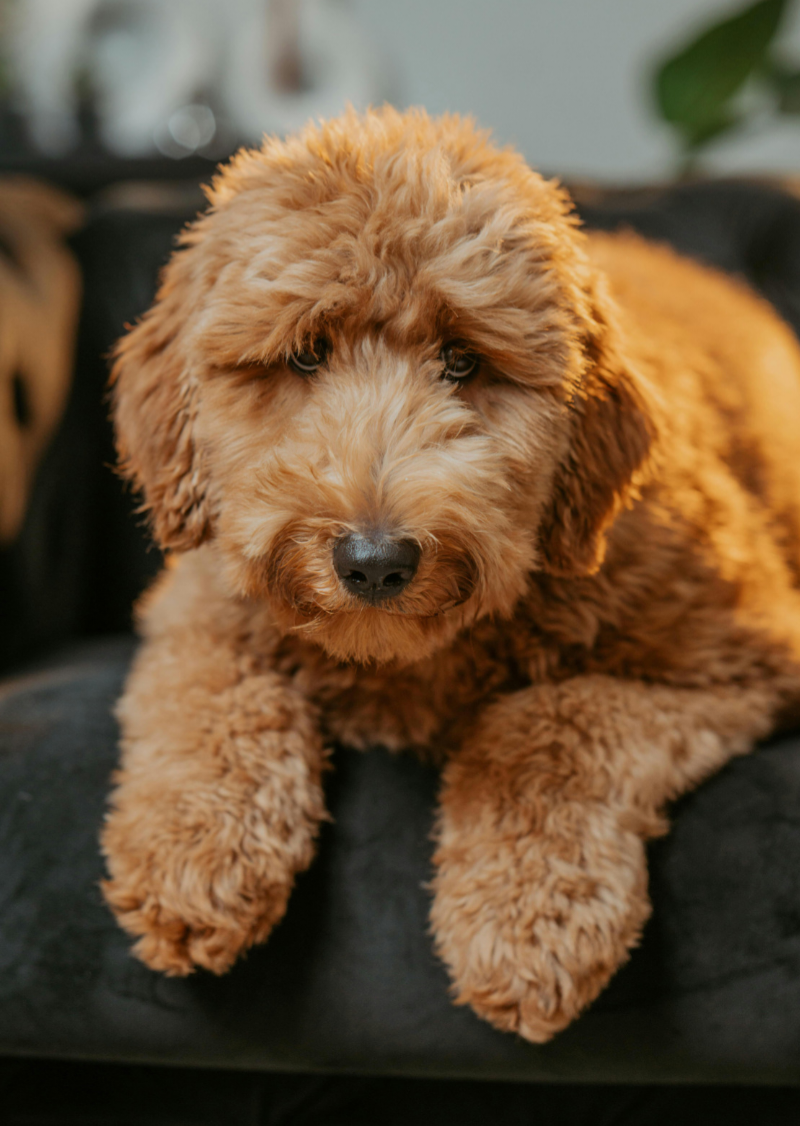
So, you’ve been scrolling through Pinterest and Instagram, and you’ve fallen head over heels for those fluffy, smiling, teddy-bear-lookalike dogs called Goldendoodles. We totally get it! They are undeniably adorable, charismatic, and have that “happy-go-lucky” vibe that can brighten even the gloomiest Monday. It’s no wonder they’ve become the “it-dog” across the United States, from the suburbs of New Jersey to the sunny streets of California.
But here’s the thing: being a responsible pet parent means looking past the cute filter. Every dog breed—or in this case, hybrid—has its own set of unique quirks, challenges, and “behind-the-scenes” realities. Our mission today isn’t to talk you out of getting a Goldendoodle (because they are truly wonderful companions!). Instead, we want to provide you with an honest, professional, and deep-dive education. We want you to be the best “Doodle Parent” possible, armed with the facts that often get left out of the 60-second viral videos.
Before you put down that deposit, let’s talk about the 10 “unfiltered” truths of living with a Goldendoodle.
1. THE “HYPOALLERGENIC” MYTH: GENETICS IS A WILD CARD

One of the biggest selling points of the Goldendoodle is that they are “hypoallergenic” and “don’t shed.” While it’s true that many Doodles are great for allergy sufferers, it’s not a 100% guarantee.
The Why: A Goldendoodle is a cross between a Golden Retriever (who sheds a lot) and a Poodle (who doesn’t). Genetics doesn’t always split 50/50. You might get a puppy with a “flat coat” that sheds just like a Retriever, or a “curly coat” that is more Poodle-like. In the professional world, we look at generations (F1, F1b, F2). An F1b (a Goldendoodle bred back to a Poodle) is more likely to be non-shedding, but even then, dander—which is what actually causes allergies—is present in all dogs. Professional Advice: If you have severe allergies, spend time with the specific puppy or look for a breeder who does coat-testing before you commit.
2. THE GROOMING COMMITMENT: IT’S A FULL-TIME JOB
Keeping Up with the “Doodle Mane”: Your Home Maintenance Guide
Let’s be real: owning a Goldendoodle is a lifestyle choice, and that lifestyle includes a lot of brushing! If you skip the home care, your groomer will have no choice but to give your pup the “shame shave” (shaving them down to the skin because of mats). To keep that teddy-bear look and save those $150 groomer fees, you need a solid home routine.
1. The Daily Brush-A-Thon Doodle fur is a magnet for twigs, burrs, and tangles. You can’t just skim the top; you need to do “line brushing.” Use a high-quality slicker brush to get all the way down to the skin. If you find a knot, don’t panic—a good detangling spray is your best friend. It’ll make the comb glide through like butter.
2. Bath Time Strategy You don’t want to over-bathe them, but when they get that “doggy smell,” it’s time for the tub. Always use a soap-free, moisturizing shampoo to keep their curls bouncy. Pro tip: Never, ever bathe a matted Doodle without brushing them first—water actually sets the mats like concrete!
3. Ears, Eyes, and Paws
- The “Doodle Ear”: Those floppy ears are cute but can trap moisture. Check them weekly and use a gentle ear cleanser to prevent funky smells and infections.
- Eye Boogers: Doodles are prone to “tear stains.” A quick wipe with a specialized eye-cleansing pad every morning keeps their face fresh and white.
- The “Grinch Feet”: Hair grows fast between the pads. Keeping those tufts trimmed and using a soothing paw balm will keep them from sliding on your hardwood floors.
Consistency is key! Spend 10 minutes a day on maintenance, and your groomer will officially crown you “Pet Parent of the Year.”
3. THE “VELCRO DOG” SYNDROME

Goldendoodles are famous for their love of humans. They don’t just want to be in the same room as you; they want to be on you. While this is incredibly sweet, it has a flip side.
The Why: Because they are bred from two highly social, “pack-oriented” working breeds, they can easily develop severe separation anxiety. They are “velcro dogs” who can struggle when left alone for long workdays. If not trained from puppyhood to enjoy “me-time,” they can become destructive or highly distressed when you leave the house. They don’t just want your company; they need it for their emotional stability.
4. HIGH ENERGY LEVELS: NOT A “COUCH POTATO”
Don’t let the “teddy bear” look fool you. Underneath that fluff is an athlete. Both the Golden Retriever and the Poodle were originally bred as hunting and water-retrieval dogs.
The Why: A Goldendoodle has a high “motor.” They need more than just a quick 10-minute walk around the block. Without proper physical exercise (think hiking, swimming, or long games of fetch), that energy will be redirected into “redecorating” your house—and not in a good way! They thrive in active families who enjoy being outdoors. If you’re looking for a dog that just naps all day, a Doodle might be more than you bargained for.
5. THE “DOODLE BRAIN” NEEDS A JOB

Poodles are ranked as the 2nd smartest dog breed in the world, and Retrievers aren’t far behind. This means your Goldendoodle is likely “scary smart.”
The Why: A smart dog without a job is a bored dog. And a bored dog is a creative dog (which usually involves chewing your baseboards). They need mental stimulation—puzzle toys, scent work, or advanced obedience training. They “soak up” training like a sponge, but they can also learn how to open cabinets or outsmart your baby gates. You have to stay one step ahead of their “Doodle Brain” every single day.
6. SIZE UNPREDICTABILITY: THE “MYSTERY” FACTOR
When you buy a purebred Labrador, you know exactly how big it will get. With a hybrid like a Goldendoodle, there is a “mystery” factor, especially in first-generation (F1) crosses.
The Why: Even if the parents are a Standard Poodle and a Golden Retriever, the puppies in a single litter can vary wildly in size. We’ve seen “Mini” Goldendoodles grow much larger than expected because of recessive genes. Unless the breeder has several generations of consistent sizing, you should be prepared for a dog that might be 10-15 pounds heavier or lighter than the “estimated” adult weight.
7. THE “MOUTHINESS” AND NIPPING PHASE

Retrievers were bred to carry things in their mouths. Poodles were water retrievers. Naturally, Goldendoodles are very “mouthy” puppies.
The Why: They explore the world with their teeth. Doodle puppies are notorious for “land shark” behavior—nipping at heels, hands, and clothes. While this is normal puppy behavior, in Doodles, it can be more persistent due to their retriever heritage. It requires consistent, positive reinforcement training to teach them “bite inhibition” and what is okay to chew on.
8. SENSITIVE STOMACHS AND FOOD ALLERGIES
Many Doodle owners find themselves becoming “dog food experts” whether they want to or not.
The Why: Both Poodles and Retrievers are prone to certain digestive sensitivities. It’s very common for Goldendoodles to have food allergies (often to chicken or grains) or just “sensitive tummies” that lead to frequent bouts of upset stomach. Finding the right high-quality, professional-grade diet can be a trial-and-error process that requires patience and often a higher budget for premium dog food.
9. THE “DESIGNER DOG” HEALTH COMPLEXITY

There is a common myth that “mutts are always healthier.” While crossbreeding can reduce some risks, it doesn’t eliminate them.
The Why: A Goldendoodle can inherit health issues from both parent breeds. This includes hip and elbow dysplasia, progressive retinal atrophy (eye issues), and heart conditions. Because the breed is so popular, there are unfortunately many “backyard breeders” who don’t do proper genetic testing. To ensure a healthy dog, you must find a professional breeder who provides “OFA” (Orthopedic Foundation for Animals) clearances for both parents.
10. THE LONG PUPPYHOOD: “THE TEENAGE STAGE”
Goldendoodles tend to stay “puppy-like” for a long time. While their physical body grows fast, their brain often stays in the “clownish” puppy phase until they are 2 or even 3 years old.
The Why: This “extended adolescence” means you’ll need to be patient with their training for much longer than you might expect. They are playful, goofy, and sometimes “forget” their manners during their teenage months. It’s part of their charm, but it can be exhausting for a first-time dog owner who expects a perfectly calm adult dog by age one.
FINAL THOUGHTS: IS THE GOLDENDOODLE RIGHT FOR YOU?

We hope this deep dive hasn’t discouraged you, but rather empowered you! Goldendoodles are spectacular dogs. They are kind, hilarious, and incredibly loving. But they aren’t “low-maintenance” accessories—they are high-intelligence, high-energy companions that require a dedicated “pet parent.”
If you have the time for daily brushing, the energy for long walks, and the patience for a smart, velcro-like soulmate, then a Goldendoodle will be the best friend you’ve ever had. By knowing these 10 truths now, you are setting yourself—and your future dog—up for a lifetime of success and wagging tails.
Treat your dog like the family member they are, stay educated, and enjoy every fluffy second of the journey!
Thank you for spending these few minutes with me today. If you found these tips helpful, I’d love to welcome you into our warm community filled with deep, heart-to-heart stories and soulful advice. Come find more comfort and connection on my main page at https://noknekszivvel.com/, and let’s keep this beautiful dog-loving journey going together! ❤️🐾
YOU MAY ALSO LOVE THESE:
Leave a Reply